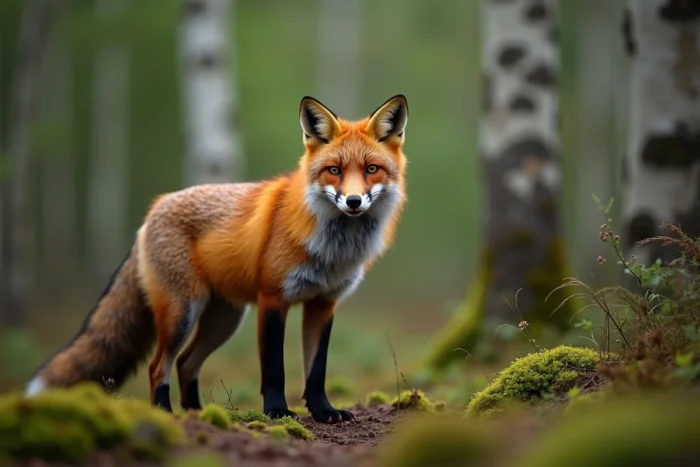
The yelp refers to a brief and sharp cry, often compared to a high-pitched bark. Several animal species produce this vocalization, from terrestrial mammals to wading birds. This sound surprises with its intensity and resemblance to a human cry. Understanding which animals yelp and under what circumstances allows for better interpretation of sounds captured in the forest, countryside, or even suburban areas.
Animals that Yelp: Comparison of Species and Their Cries
The verb “to yelp” applies to a limited number of species. Each emits this cry in a specific context, with distinct acoustic characteristics.
| Animal | Type of Yelp | Main Context | Other Associated Cries |
|---|---|---|---|
| Red fox | High-pitched, shrill, repetitive cry | Reproduction, territorial defense | Howl, hoarse bark |
| Rabbit | Brief and piercing cry | Distress, fear in the face of a predator | Squeak |
| Common crane | High-pitched and clarion cry | Communication in flight, gathering | Creaking, trumpet |
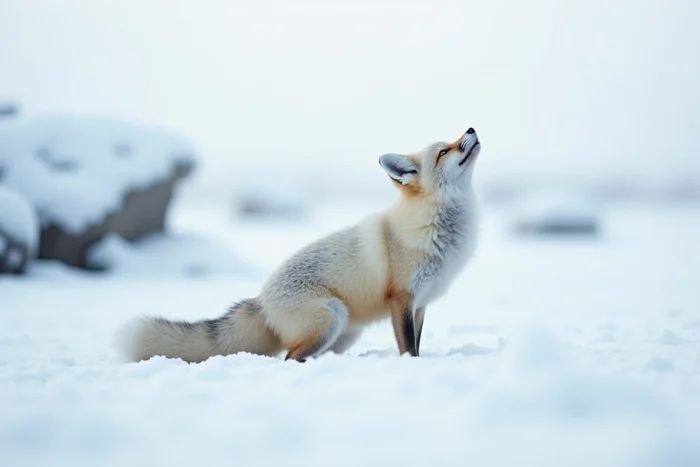
| Arctic fox | Short, high-pitched yelp | Breeding season | Brief howl |
The red fox dominates the category due to the frequency and power of its yelp. To delve deeper into the subject, a detailed guide explains which animal yelps according to the contexts. The rabbit yelps much more rarely, almost exclusively under the effect of fear.
The common crane produces a high-pitched cry that technically falls under yelping, even though it is more often described as creaking or trumpeting to characterize its entire vocal repertoire.
Red Fox Yelp: Territorial Cry and Reproductive Signal
The red fox is the animal most often associated with yelping. This nocturnal cry of the fox regularly surprises residents of suburban and rural areas. Naturalists and educational organizations now describe this sound as primarily territorial and related to reproduction, rather than a simple manifestation of fear.
The vixen uses yelping to attract a male during the mating season, usually in winter. The sound, repeated at regular intervals, can carry for several hundred meters. It resembles a high-pitched human cry, which often generates confusion among those who hear it for the first time.
Fox Yelp and Noise Complaints
The expansion of the red fox in suburban areas has a direct consequence: nocturnal yelps lead to noise complaints. French authorities remind that no particular noise should, by its duration, repetition, or intensity, disturb the tranquility of the neighborhood. The yelp of the fox, due to its repetitiveness and shrill nature, sometimes falls into this category in the eyes of residents.
This phenomenon illustrates a gap between the increasing presence of wildlife near homes and the lack of knowledge about animal cries. Identifying a fox yelp can help avoid unnecessary calls to law enforcement or emergency services.
Rabbit Yelp: A Rarely Heard Distress Cry
The rabbit yelps in circumstances very different from the fox. Its cry is a sharp distress signal emitted in the face of immediate danger, such as a predator attack. This sound is brief, piercing, and generally does not repeat in a series like that of the fox.
A domestic rabbit may also yelp when handled roughly or when it experiences sudden pain. This cry often triggers a flight response in nearby rabbits, making it a true collective alarm signal.
- The rabbit’s yelp differs from the squeak by its intensity and brevity: it lasts a fraction of a second and reaches very high frequencies
- This cry remains rare in a rabbit’s daily life: an animal that yelps regularly signals a problem of well-being or health
- Breeders and veterinarians consider yelping a reliable indicator of pain or panic in rabbits

Yelping in Birds: The Case of the Common Crane
The common crane is among the birds whose cry is classified as yelping in naturalist literature. Its vocal repertoire is rich: creaking, trumpeting, and high-pitched yelping combine according to the social context.
The yelp of the crane is distinguished by its range. In flight, cranes use this cry to maintain group cohesion during migrations. On the ground, it serves to signal danger or coordinate movements within a colony. The frequency of the sound and its modulation vary depending on whether the bird is communicating with a partner, a young one, or a distant conspecific.
Difference Between Yelping and Other Bird Cries
Yelping is distinguished from melodious singing, whistling, or howling by three characteristics:
- It is brief, rarely exceeding one or two seconds
- It falls within high frequencies, making it audible over long distances despite its short duration
- It is often repeated in rapid sequences, unlike territorial singing which extends over long phrases
The bleating of a goat or the roaring of a lion, although sometimes confused with yelping by novices, involve different vocal mechanisms. Yelping remains specific to species that produce a sharp, brief, and staccato cry.
Why Some Animals Yelp Instead of Roaring or Howling
The type of cry emitted by an animal depends on its vocal morphology and communication strategy. The species that yelp share a common point: a vocal apparatus adapted to high frequencies and a relatively modest body size compared to large predators.
The fox, smaller than the wolf, does not have the thoracic power necessary to produce a deep and prolonged howl. Yelping allows it to convey a clear message over a respectable distance with less energy expenditure. The rabbit, prey by nature, benefits from a sudden and sharp cry that surprises the predator and alerts its peers without requiring prolonged vocalization.
This acoustic logic is also found in the crane: the high-pitched yelp travels better through high-altitude air currents than a low sound, facilitating coordination during migratory flight. Each species yelps because this cry corresponds to an effective solution to its biological and environmental constraints.