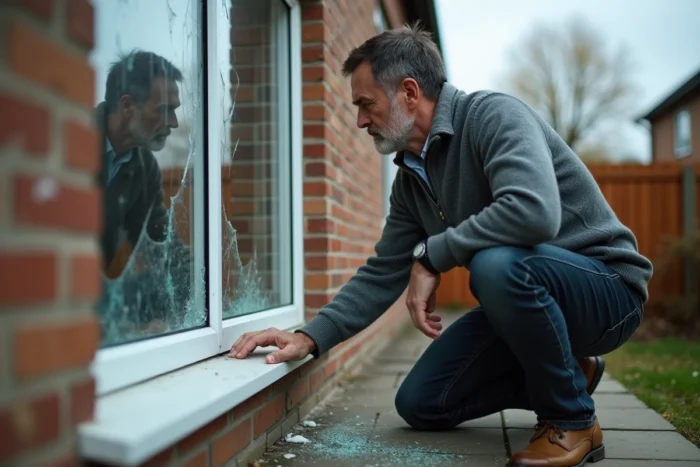
A broken window, whether on a residential window or a windshield, triggers two simultaneous emergencies: the physical securing of the area and the preservation of your rights to compensation. The sequence of the first few minutes directly affects the amount that will remain your responsibility.
Repairability Assessment: The Reflex That Reduces Costs Before Any Quote
Before contacting a glazier or an auto center, we recommend assessing whether the glass needs a complete replacement or just a simple repair. This distinction drastically changes the final cost.
On a car windshield, a small impact (a chip smaller than a coin, outside the driver’s field of vision) can often be treated by resin injection. Allianz reminds us that this repair is preferred whenever technically possible, with full coverage and simplified procedures through approved repairers. The deductible sometimes drops to zero, whereas a complete glass replacement almost always triggers its application.
On a residential window, the reasoning remains similar. A simple cracked pane without loss of waterproofing can be temporarily reinforced, allowing time to compare several quotes instead of enduring the cost of an emergency intervention. Calling on a craftsman for window replacement within a controlled timeframe rather than in nighttime panic generates significant savings on labor.
The first cost-effective reflex is therefore to request a repairability assessment before agreeing to any replacement.

Glass Breakage Claim: The Deadline That Conditions Any Reimbursement
The glass breakage guarantee, whether included in a home or auto contract, imposes a strict framework. The claim must be made within five working days from the discovery of the incident. This deadline is no longer just a recommendation: several insurers now completely refuse compensation in case of delay, leaving the entire cost to the insured.
What Your File Must Contain From Day One
- Photographs of the broken glass taken before any handling or cleaning, from several angles, with a visual reference (current newspaper, phone timestamp)
- The receipt of the police report if the cause is an act of vandalism or attempted break-in, as without this document the glass breakage guarantee may be reclassified as an uncovered incident
- The quote or invoice from the glazier who intervened, even for a temporary security measure, as the costs for temporary protection are generally covered by the contract
We observe that most compensation disputes do not concern the amount, but rather missing documents in the file. A complete file submitted within the first 48 hours speeds up processing and limits back-and-forth with the insurer.
Common Exclusions from the Glass Breakage Guarantee in Housing
A glass pane does not automatically fall under glass breakage. This technical point is often underestimated. The guarantee generally covers fixed glazing (windows, sliding doors, sealed mirrors), but frequently excludes removable elements, unreported conservatories, or greenhouse glazing.
The exact scope varies from one contract to another. Some insurers include vitroceramic plates and fireplace inserts, while others exclude them. Checking the list of insured items in the specific conditions before declaring avoids wasting time on an ineligible claim.
Tenant or Owner: Who Pays for the Repair?
In rental situations, the broken glass is the tenant’s responsibility if the breakage results from normal use or a domestic accident. The owner only intervenes if the breakage results from a structural defect in the building (dilapidated frame, poor workmanship). This distribution applies regardless of the glass breakage guarantee taken out by either party.
A tenant who declares the incident on their own home insurance contract receives the compensation directly, without going through the landlord. This is the fastest route in most cases.

Temporary Securing of a Broken Pane: Method and Mistakes to Avoid
Immediate securing conditions both your physical protection and the admissibility of the claim. An insurer may invoke the voluntary aggravation of damages if no temporary measures have been taken between the breakage and the professional’s intervention.
- Wear thick gloves and closed shoes before handling shards. Pick up the largest fragments, then apply wide adhesive tape over the pieces still lodged in the frame
- Seal the breach with a thick tarp or a plywood panel secured to the frame with screws or strong masking tape. Plastic food wrap does not withstand wind or rain
- Do not remove fragments left in the putty or the frame’s seal: they help maintain part of the waterproofing, and their removal may widen the opening
In case of a broken pane at night, this temporary securing allows you to wait until the next morning to call a glazier at standard rates rather than in a nighttime emergency, where overcharging is common.
The extra cost of a nighttime intervention often exceeds the amount of the deductible itself. Securing the breach yourself and postponing the intervention until morning remains the most economical strategy whenever the situation allows, that is, when the glazing is not the only point of closure for a ground floor exposed to the street.
One last often-overlooked point: keep the old glass or its significant fragments until the insurance file is closed. Some appointed experts request to verify the nature of the glass (single, double, laminated) to validate the replacement amount. Disposing of the debris too early can complicate the assessment and delay your compensation.