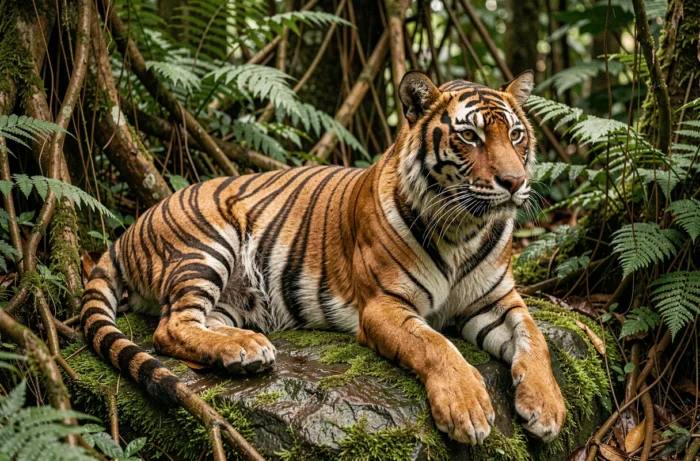
The way we talk about animals has changed. Encyclopedic sheets that line up Latin names, habitat, and diet are giving way to more nuanced approaches, focused on sensory abilities, social behaviors, or adaptation mechanisms. This editorial shift reshapes what the general public expects when seeking to understand the animal world.
Animal sensory perception: a world we do not see
In 2022, science journalist Ed Yong published An Immense World with Alfred A. Knopf Canada. The book explores what he calls Umwelten, the perceptual bubbles unique to each species. A dog does not just sniff: it builds a chemical map of its environment, superimposed on ours but radically different.
This sensory prism disrupts animal popularization. Rather than describing an animal by its size or weight, we are now interested in what it perceives. Some species detect Earth’s magnetic fields, while others pick up ultrasound or vibrations imperceptible to the human ear. Each species inhabits its own sensory world, and two animals sharing the same territory may live in sensory realities with no common ground.
This change in perspective attracts an audience that goes beyond the circle of naturalists. Anyone interested in the life of their cat or dog finds material to reconsider their certainties about daily coexistence with a pet. By exploring the animals on Les Animaux de la Fée, one can find this diversity of species that illustrates how the animal kingdom transcends usual categories.
Animal behavior and communication: what recent research decodes
The most consulted animal topics today answer concrete questions. Animal communication is one of them. How do cats signal discomfort to their owners? By what mechanisms does a bear transmit a threat signal from a distance?
The most read content focuses on a specific behavior, not a general overview. This trend is evident on both science popularization sites like Numerama or Live Science and in programs broadcast by ARTE or Radio France. The format has evolved: podcasts, short videos, and field surveys are gradually replacing traditional encyclopedic articles.
Three research axes that structure the debate
- Inter-species communication: recent studies focus on the chemical and sound signals exchanged between species cohabiting in the same natural environment, particularly in temperate Europe.
- Social learning in wild mammals: the transmission of acquired behaviors (hunting techniques, dietary choices) from one individual to another, outside of any human conditioning.
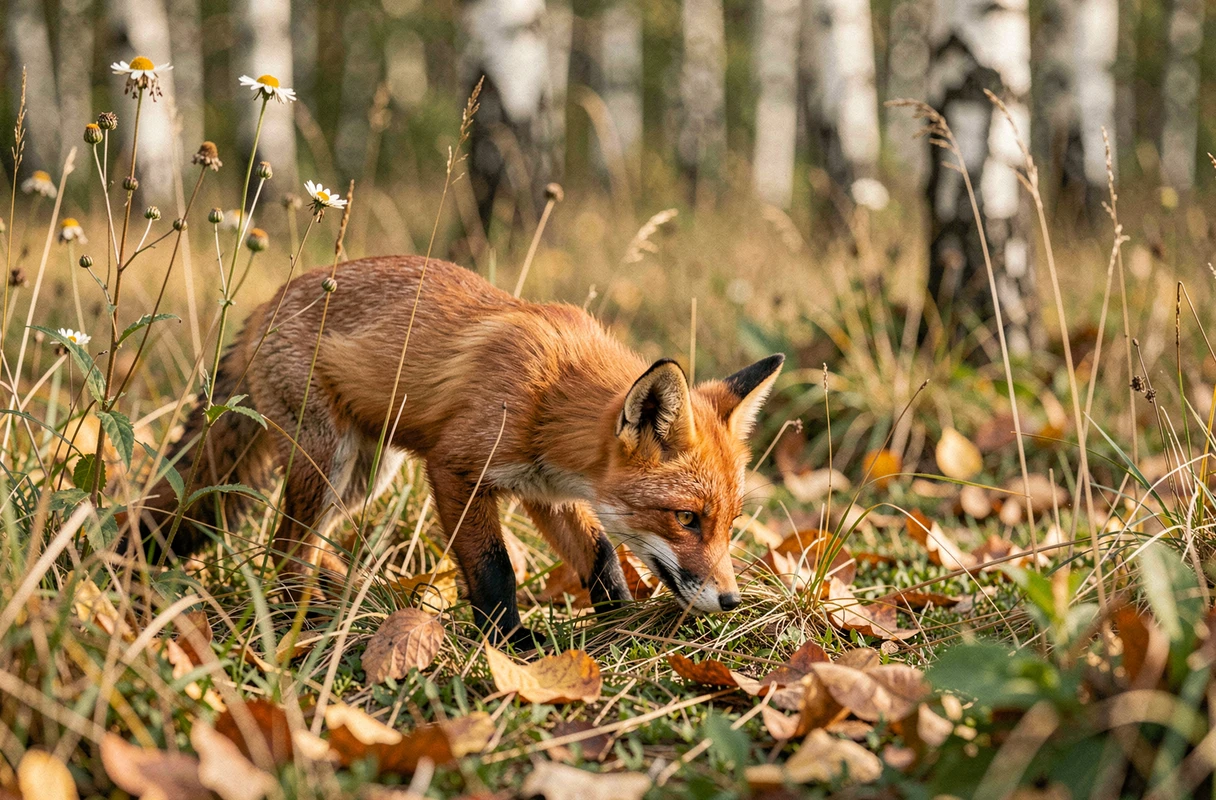
- Behavioral plasticity in urban environments: wild species modify their feeding habits and activity cycles to adapt to city life, a phenomenon documented in several populations of foxes and corvids.
Field feedback diverges on certain points, particularly regarding the actual ability of domestic animals (dogs, cats) to interpret human emotions beyond conditioning. The available data does not allow for definitive conclusions, fueling an active scientific debate.
Wild species in Europe: between protection and coexistence
The question of wild species in Europe is not limited to large predators. Bears, wolves, and lynxes occupy the media spotlight, but European biodiversity includes thousands of less visible species whose decline often goes unnoticed.
The majority of threatened species in Europe are invertebrates or amphibians, far less publicized than iconic mammals. The most effective nature protection programs combine local scientific monitoring and involvement of local populations, far from large communication campaigns.
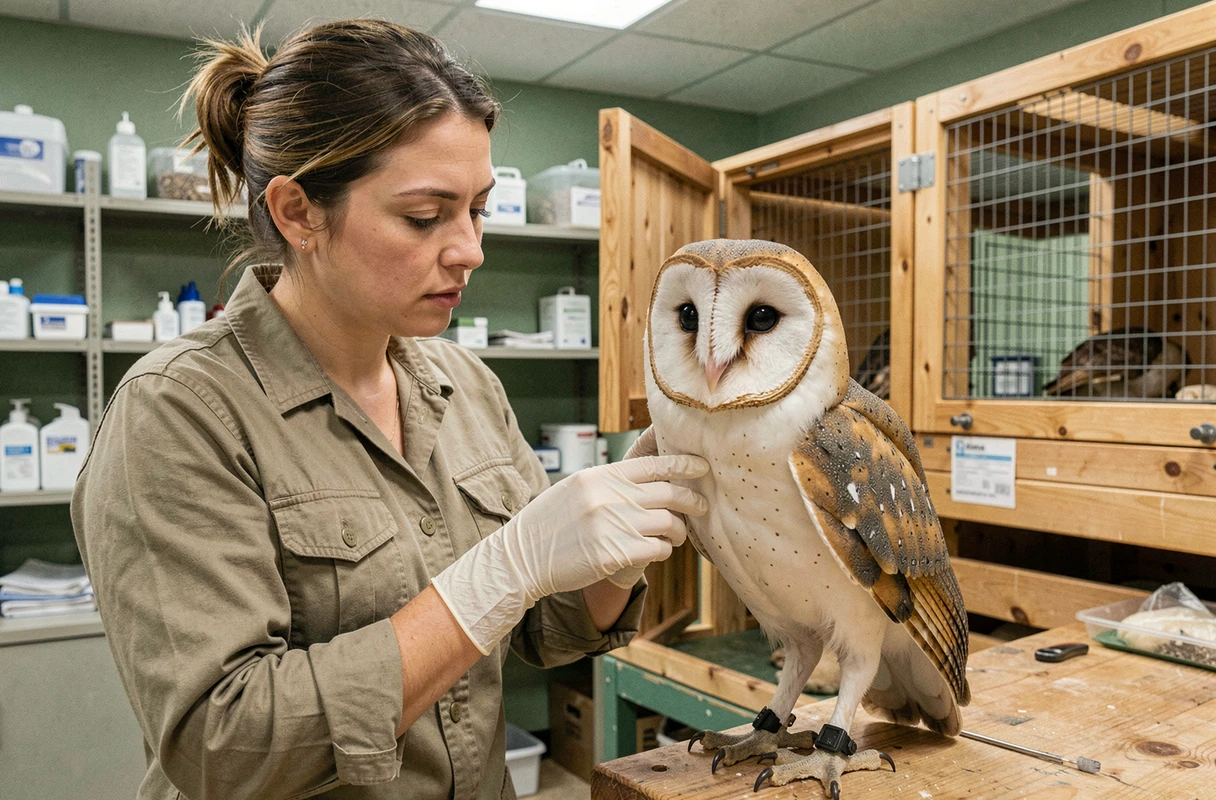
Natural parks and reserves serve as living laboratories. They allow for the observation of the concrete effects of protection measures on the ground, with results sometimes contradictory depending on the natural environments concerned. An effective system in a wetland may prove unsuitable in a mountainous area.
Safari and wildlife observation in Europe
The safari experience is not limited to Africa. Several regions in Europe offer wildlife observation stays in conditions that respect ecosystems. Observation in European natural environments is gaining popularity, driven by a growing demand for low-impact tourism.
These programs also cater to children, with tailored educational activities. The goal goes beyond mere entertainment: it is about creating a direct link between the public and wildlife, without the mediation of a screen.
Pets: beyond generic advice
The market for information on cats and dogs remains massive, but its content is evolving. Standardized breed sheets are losing ground to articles that approach the human-animal relationship from a behavioral or medical perspective.
A cat owner now seeks to understand a specific behavior, not to read yet another sheet on the characteristics of the British Shorthair. This evolution pushes content creators to rely on veterinary or ethological sources rather than general compilations.
However, the quality of available information remains very uneven. Between an article written by a veterinary behaviorist and content sponsored by a pet food brand, the reader must exercise discernment that is not easily facilitated. Specialized platforms that cite their sources and detail their methodologies are gradually distinguishing themselves from the rest.
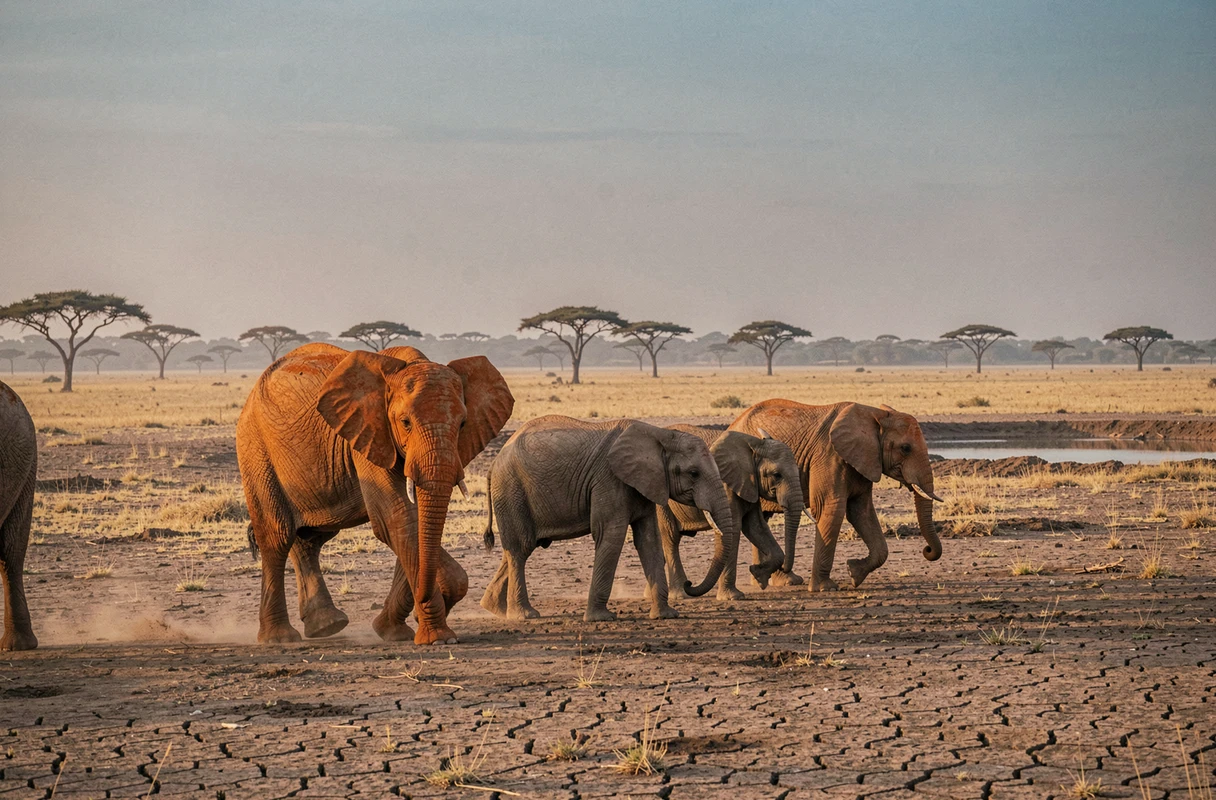
Knowledge of the animal world is now being built at the intersection of scientific research, fieldwork, and renewed editorial formats. The most useful information is that which answers a specific question, whether it is to understand why a dog reacts to a thunderstorm or how a wild species adapts to a new environment. This demand for precision, shared by both readers and researchers, is gradually redefining what it means to talk about animals.