Filling your free time is not just about choosing between Netflix and a walk in the park. The way you structure your leisure activities on a daily basis directly influences the energy available for the rest of the day. Yet, many people repeat the same activities out of habit, without questioning whether they still align with their true desires.
Media Libraries and Third Places: Try Creative Hobbies Without Investing
Have you ever wanted to try sewing, 3D printing, or photography but didn’t know where to start? French media libraries have transformed in recent years. Many now offer maker spaces equipped with sewing machines, 3D printers, and musical instruments for loan.
The idea is simple: you borrow the equipment just like you would borrow a book. Collective workshops allow you to get started with digital creation, object repair, or supervised hands-on activities. For families with children, it’s a gateway to creative games and DIY activities without having to buy expensive materials.
This model of an accessible “leisure bank” deserves attention. It allows you to test an activity over several weeks before deciding if it’s worth a personal investment. It’s also an opportunity to discover hobbies on Net Actu to find complementary ideas suited to your situation.
Micro-Engaged Hobbies: Everyday Life as a Playground
Since the pandemic, a category of activities has gained traction in France. They are sometimes called “micro-engaged” hobbies: repair, sewing, creative recycling, food self-production on balconies. Their common point is the blend of pleasure and an anti-waste approach.
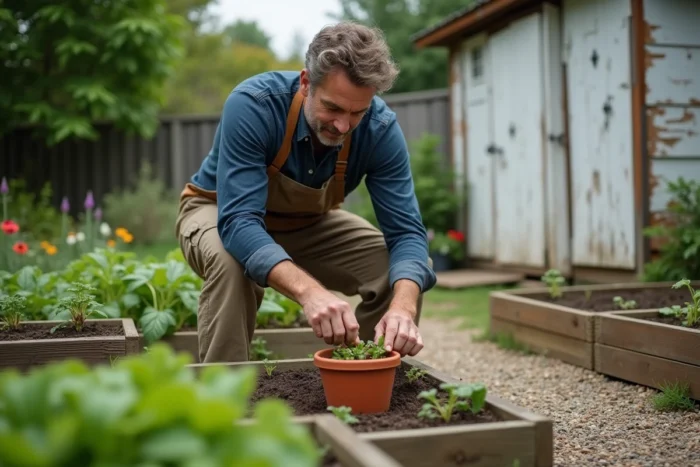
A mini-garden on a windowsill requires only a few minutes of attention each day. Repairing a wooden piece of furniture instead of replacing it becomes a full-fledged hobby. These activities provide a tangible sense of usefulness because you can see the results.
How to Start Without Getting Distracted
The usual trap is wanting to do everything at once. It’s better to choose one activity and practice it regularly for three weeks. This timeframe is enough to know if the enjoyment persists or if it’s just a passing fad.
- Identify a fixed time slot in your week, even if short (twenty minutes is enough for sewing or drawing)
- Start with materials you already have: old fabrics, wooden pallets, jars for seedlings
- Involve a friend or neighbor to maintain consistency, especially for garden or workshop activities
Consistency trumps ambition. A hobby practiced for twenty minutes three times a week provides more satisfaction than a three-hour session every two months.
Outdoor Activities with Family: Enjoying the Garden and Outings
Outdoor sports have become a societal need in their own right. According to recent data reported by Ouest-France, 79% of people already engage in an outdoor activity such as walking, cycling, or running. Even more striking, 55% wish to further develop this practice.
For families with children, the garden remains an underutilized space. Here are a few ideas that go beyond just kicking a ball:
- Set up a puzzle course with clues hidden in the garden, modeled after escape games
- Organize land art sessions by collecting leaves, stones, and branches to create ephemeral compositions
- Plan a stargazing evening with a free astronomy app on your phone
- Offer wooden construction games or skill challenges suitable for all ages

These moments require neither a significant budget nor complex preparation. They create memories because they break away from the usual routine of planned outings.
Holidays and Free Time: Organizing Leisure Without Pressure
During holidays, the temptation to fill each day with activities often ends up generating the opposite of the rest sought. Free time works better when it alternates between active moments and unprogrammed stretches.
Alternating Two Rhythms in the Week
An effective approach with children is to define “active days” and “free days.” Active days include an outing, a workshop, or a sports activity. Free days allow for voluntary boredom, which often leads to invented games or spontaneous creative projects.
For adults, the same logic applies. Rather than planning seven activities over seven days of vacation, planning three or four allows you to fully enjoy each experience without chasing a schedule.
What distinguishes a satisfying hobby from a quickly forgotten activity is rarely its originality. It’s the willingness to return to it voluntarily, without obligation, because enjoyment settles in with practice. Whether it’s a repair workshop at a media library, a balcony garden, or a puzzle game in the garden, the best hobby is the one you want to do again tomorrow.